How to brief a food shoot that fills tables
Pick the dishes that pay, plan the light, and leave with a shot list rather than a mood board.
Most restaurant shoots go wrong long before the camera comes out. A kitchen sends its most complicated dishes, the shoot runs at 2pm because that is when the chef is free, and the restaurant ends up with forty photographs of food it barely sells. Here is a way to plan one that earns its cost.
Start from the menu, not the mood board
Before anything else, look at what your restaurant actually sells and what it makes money on. Then pick your dishes in three groups:
- The signatures. Three or four dishes people come specifically for. These carry the whole shoot.
- The profitable ones. The dishes with the best margin that people do not order enough. Photography moves these more than any discount.
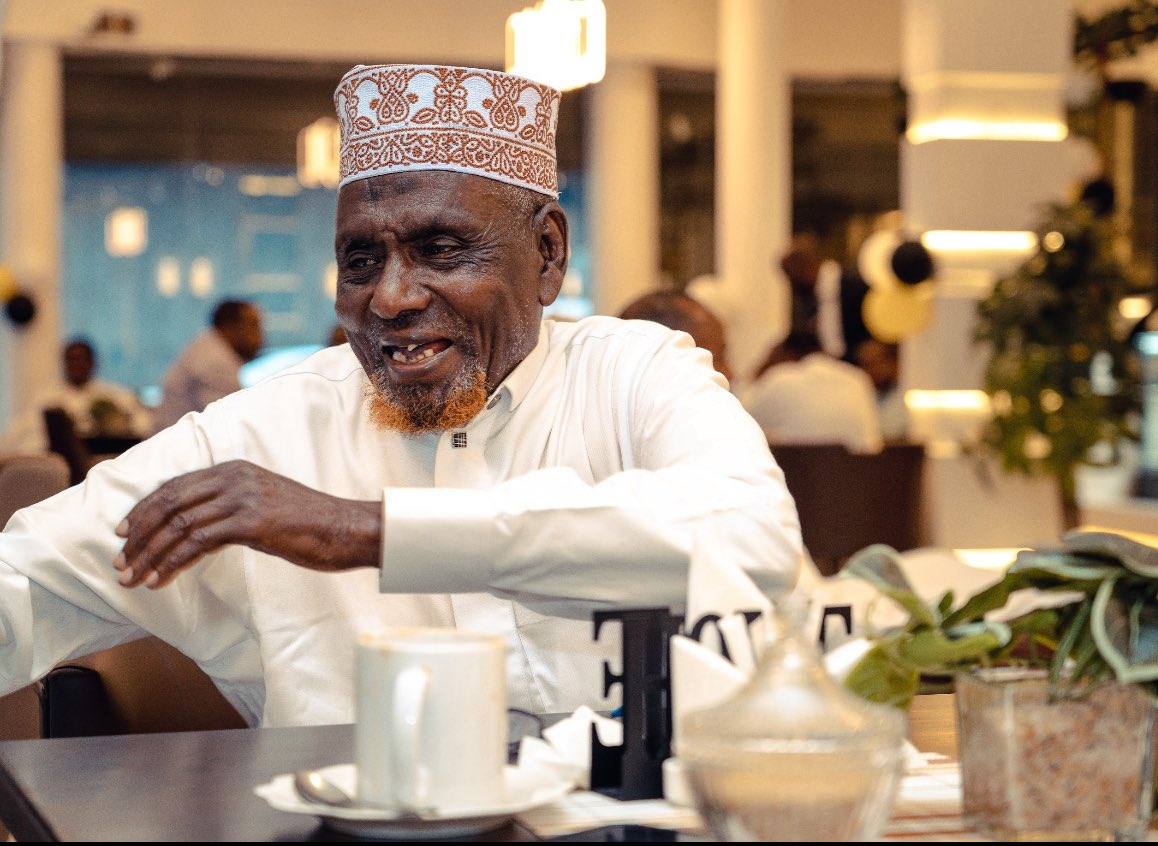
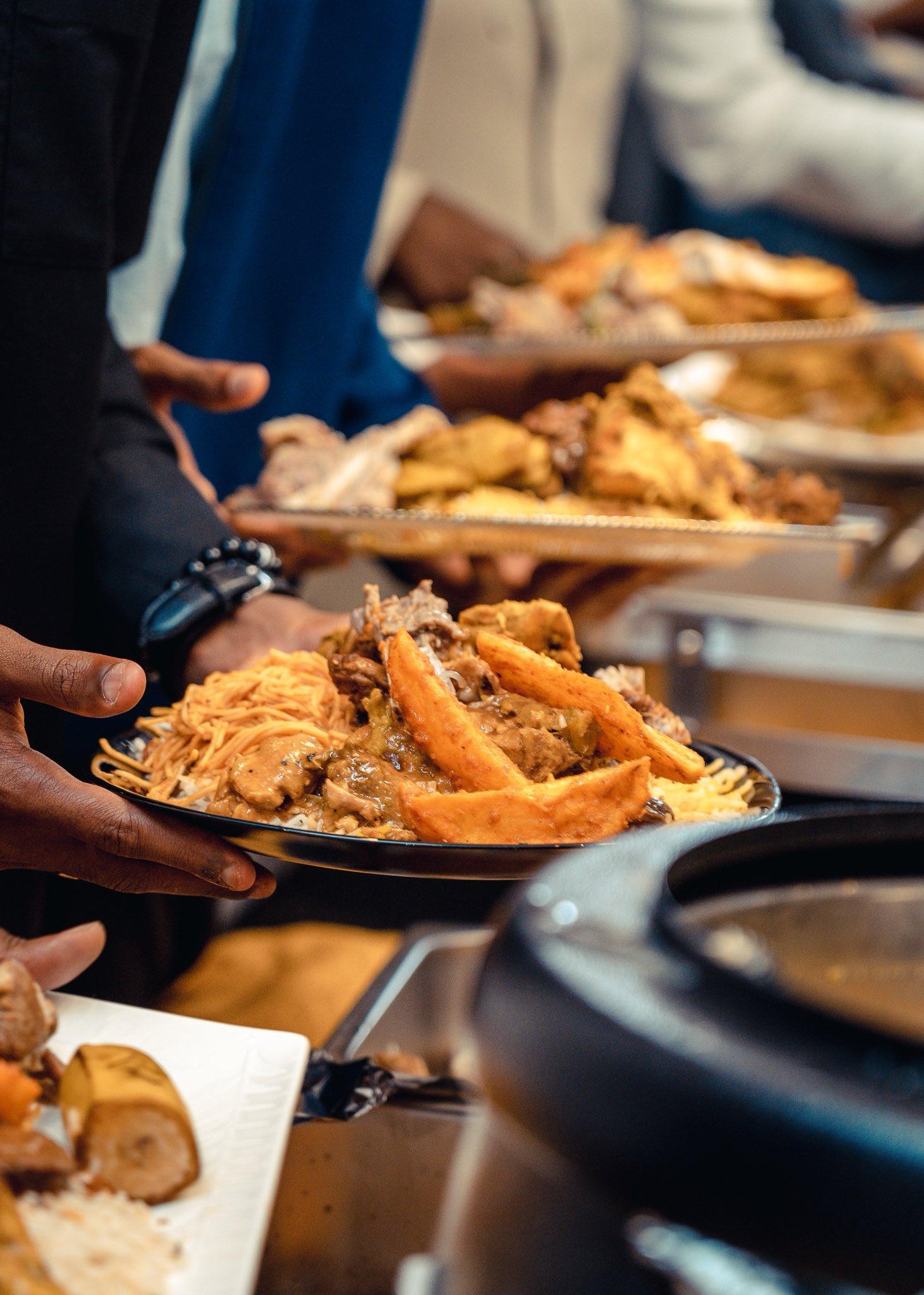
- The context shots. A shared table, a coffee being poured, hands passing a plate. These sell the room, not the dish.
Twelve to fifteen dishes is a realistic day. Thirty is a day of tired food.
Shoot when the light is good, not when the kitchen is quiet
Daylight near a window beats a lighting kit in most restaurants, and it costs nothing. Late morning is usually the best compromise: the kitchen is prepped, service has not started, and the light is soft.
If the room is dark, decide in advance whether you are shooting with lights or shooting elsewhere in the building. Deciding this on the day wastes an hour of everyone’s time.
Assign one person from the kitchen
Not the whole brigade, one person, ideally a chef who can plate to order and does not mind a dish being re-plated. Photography is not service: the same dish may be built three times before it looks right. That is normal, and it is much cheaper than a reshoot.
Plan the crops you will actually use
Your photographs will live in places with fixed shapes, so shoot for them:
- Square for the grid.
- Vertical for stories and reels.
- Wide for your website’s hero and banners.
- Close for a menu or a printed board.
Ask for each dish in at least two crops. A beautiful wide photograph is useless in a vertical space, and cropping in loses the plate.
Leave with a shot list, then hold to it
A one-page list with the dish, the crop and where it will be used keeps a shoot moving. It also settles the argument about whether a dish was covered. Something like:
| Dish | Crops | Where it goes |
|---|---|---|
| Whole fish | wide, square | website hero, grid |
| Biryani | square, vertical | grid, delivery listing |
| Dessert platter | vertical | stories |
Details that decide whether a photograph works
- Real portions. Photograph the plate a guest will get. An oversized styled portion is a complaint waiting to happen.
- Clean edges. Wipe the rim. Most weak food photographs are simply messy.
- One hero. Every frame needs one thing in focus. A table with six competing dishes reads as clutter.
- Steam and freshness are fleeting. Hot food has about ninety seconds. Have the shot set up before the plate leaves the kitchen.
- Keep the raw files. You will want a different crop in a year, and re-editing beats reshooting.
How to know it worked
Give the photographs a job and then check it. Put a new picture on the dish you want to sell, and watch that dish’s orders for two weeks. Put the new hero on your website and watch how long people stay. Photography is not decoration, and it is measurable.
If you would rather hand the whole planning step over, that is what a proper brief from us looks like: your menu, your margins, and a shot list agreed before anyone turns up with a camera.